Skip to content

Our Process

Great coffee is not an accident. It is the sum of a thousand small decisions — at the farm, in the roastery, and behind the bar. Here is how we make ours.

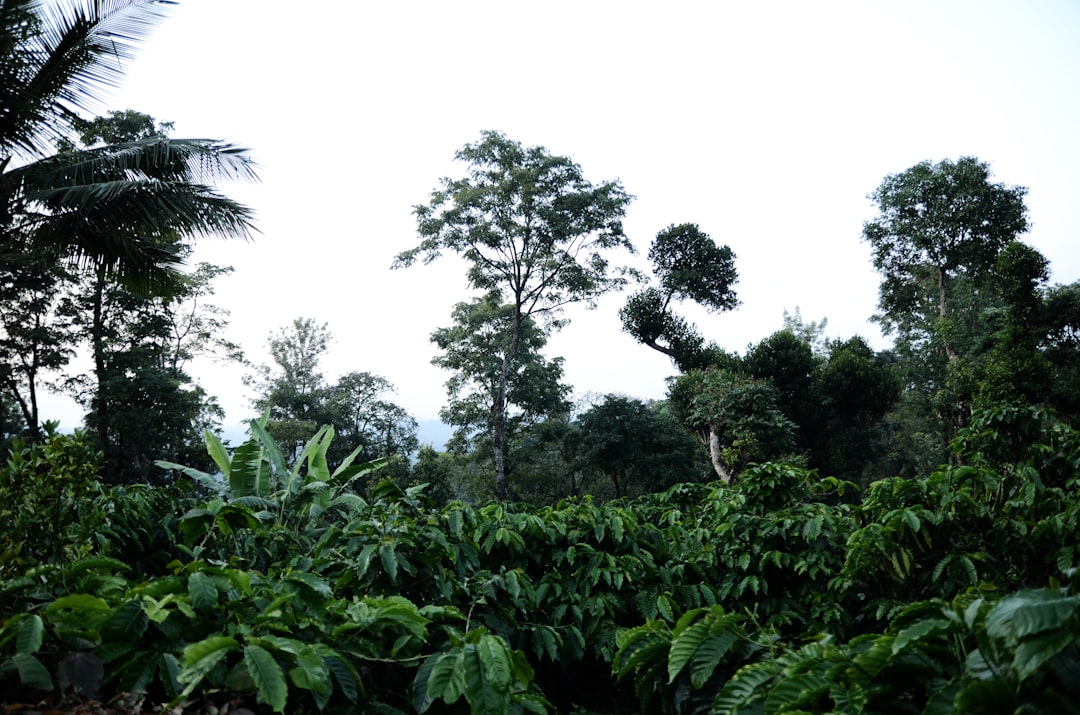
Coffee farmer walking through rows of coffee plants on a hillside plantation at origin

Sourcing

Every year, we travel to origin. We walk the rows, cup with producers at their own tables, and negotiate prices face to face. We pay premiums that allow farmers to invest in shade trees, water conservation, and processing equipment. Most of our producer relationships span five years or more. Don Alberto in Huila. Meseret in Yirgacheffe. The Sinaga family in Lintong. These aren't suppliers — they're collaborators.

We source from five countries: Colombia, Ethiopia, Indonesia, Guatemala, and Kenya. Every lot is cupped a minimum of three times before we commit.
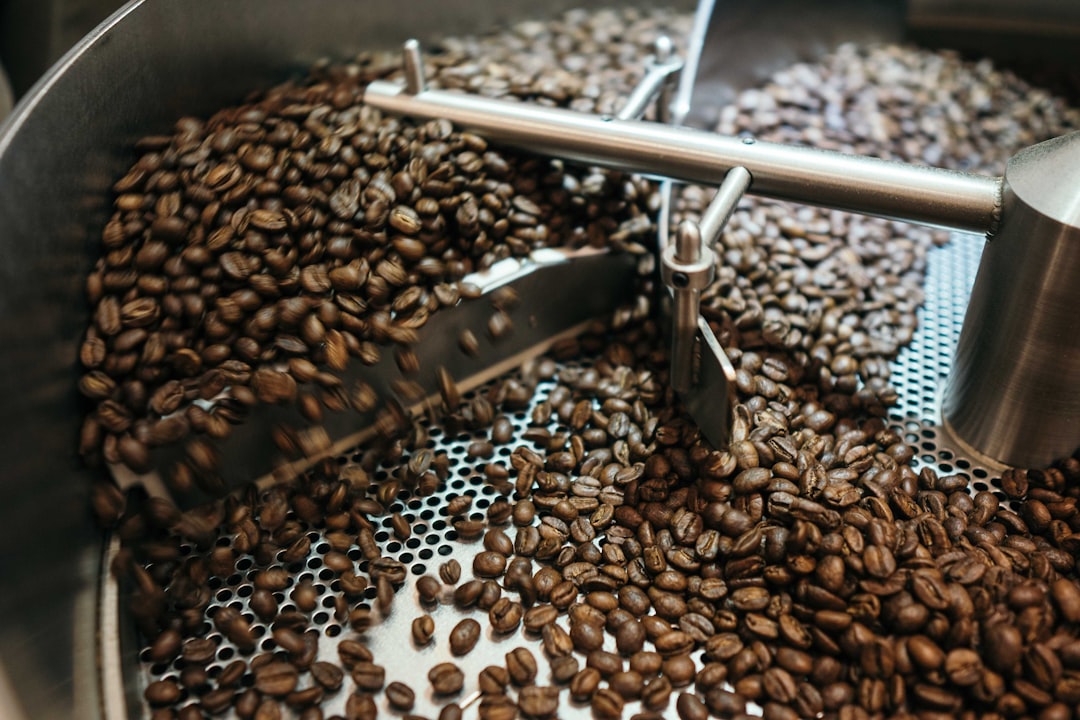
Coffee beans roasting in a vintage Probat drum roaster with smoke curling off the batch

Roasting

We roast on a 1974 Probat UG-22 — a machine built before computers decided what coffee should taste like. Our head roaster, Elena, has been with us since the beginning. She roasts by sound, by smell, by the color of the smoke curling off the drum. First crack arrives like a conversation — quiet at first, then insistent. She knows exactly when to end it.

Each batch is 12 kilos. We roast four days a week, Tuesday through Friday. Everything is logged by hand in a leather notebook that Elena keeps on the roaster shelf.

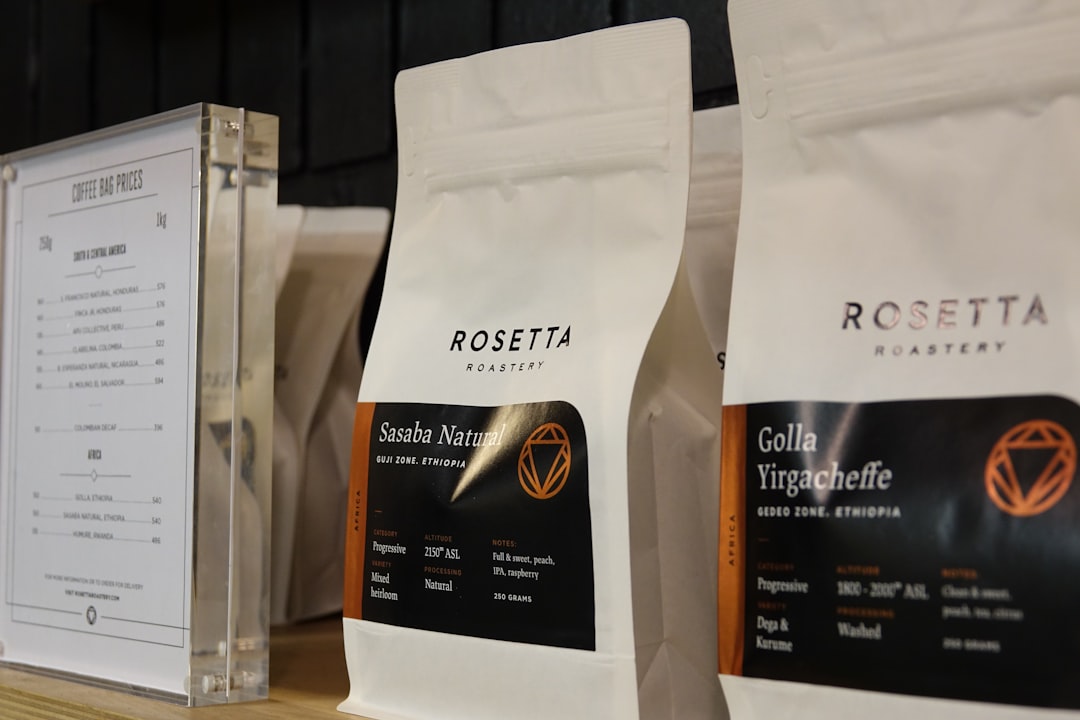
Bags of freshly roasted coffee beans resting on shelves in the roastery

Resting

Freshly roasted coffee needs time. The beans off-gas carbon dioxide for the first 24 to 72 hours, and rushing this step muddies the cup. We rest every lot for a minimum of five days before we bag or brew it. The flavors settle, the aromatics bloom, and the coffee becomes what it was always meant to be.

We date every bag with the roast date, not a "best by" date. Coffee is at its peak 7 to 21 days after roasting.

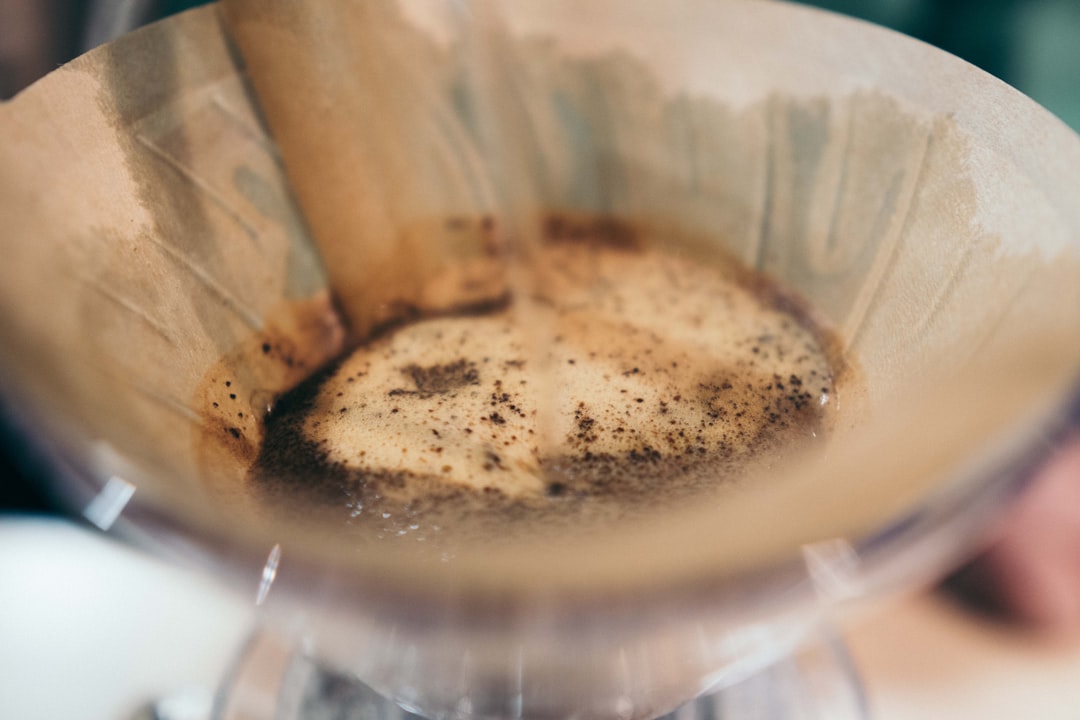
Barista carefully pouring water over a Kalita Wave pour-over dripper at the cafe bar

Brewing

At the cafe, we brew on Kalita Wave pour-overs and a Slayer espresso machine. Our baristas dial in each coffee every morning, adjusting grind, dose, and temperature to the day's humidity and the bean's age. We don't use timers or scales behind the bar — our team brews by feel, the way Elena roasts. When a shot pulls right, you know it before it hits the cup.

We serve all coffees black first, so you can taste the origin before deciding if you want milk. We never judge — just recommend.

Coffee should taste like where it came from

We don't roast to a profile. We roast to reveal. Each lot has a story written into its cellular structure by altitude, soil, rainfall, and the hands that picked it. Our job is to translate that story into your cup without editorializing.

Transparency at every step

We share the producer's name, the farm's elevation, the processing method, and what we paid. Not because it's trendy, but because you deserve to know where your money goes. Coffee is an agricultural product, and the people who grow it should be visible, not anonymous.

Taste the craft

The best way to understand our process is to drink the result. Come by the cafe on Division Street and let us walk you through what's in the hopper today.

Visit the Cafe